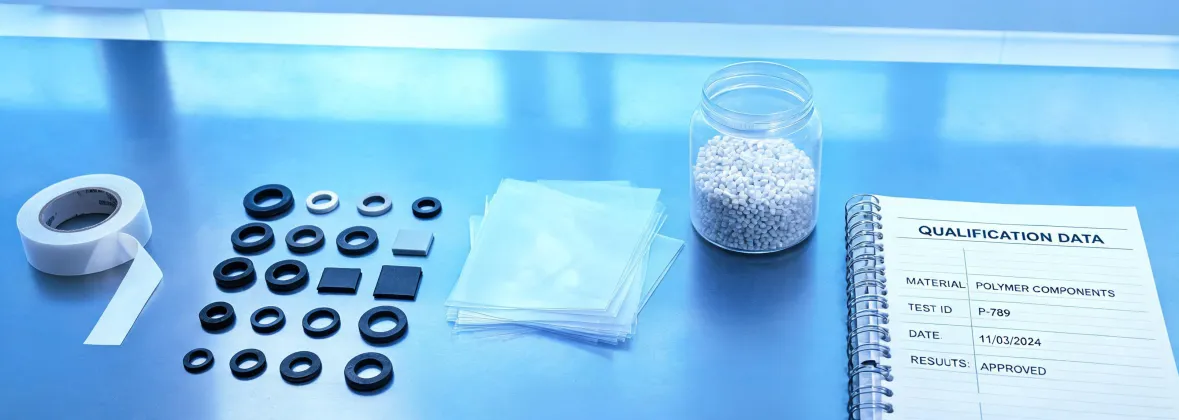
I manage purchasing for a mid-sized manufacturing company. Every year, I place roughly 60-80 orders across 8 different vendors for things we need to keep operations running. One of the most headache-inducing categories? Plastic sheets and panels. Specifically, I’ve dealt with polycarbonate roof panels that started yellowing after 18 months, PVC sheets that warped under standard warehouse temperatures, and one particularly memorable incident where an acrylic display cracked during shipping and cost us $2,400 in rejected inventory.
When I started in 2020, I assumed the problem was simple: find the cheapest supplier and order the grade they recommend. Turns out, that assumption cost my company about $15,000 annually in replacement material, downtime, and client complaints.
The Surface Problem: Polycarbonate Panels Don't Last
From the outside, the issue seems straightforward. A manufacturer orders polycarbonate roof panels for a greenhouse project. After 24 months, the panels start to delaminate, yellow, or lose structural integrity. The general contractor blames the supplier. The supplier points to improper installation. The installer says the material was defective.
Everyone points fingers, nobody solves the problem.
People assume the lowest quote means the vendor is cutting a fair deal. What they don’t see is which costs are being hidden or deferred. Maybe it’s lower-quality resin. Maybe it’s a thinner UV coating. Maybe the extruder settings were pushed to maximize output at the expense of consistency.
The Deeper Cause: You're Buying a Grade, Not a Guarantee
What most people don’t realize is that polycarbonate, PVC, and PS sheets come in multiple grades, but suppliers don’t always show you the full picture. There’s a reason the same thickness panel can cost 40% less from one manufacturer versus another. It’s not margin differences—it’s material chemistry.
Here’s something vendors won’t tell you: The “standard” polycarbonate used for construction applications often contains recycled content, which can reduce UV stability. In 2023, a materials engineering study (Source: Plastics Technology journal, 2023 review of polycarbonate degradation rates) found that panels containing more than 15% regrind material showed a 30% faster loss of light transmission under accelerated weathering tests. That translates directly to yellower, weaker panels within 3–5 years instead of 10+.
The surprise isn’t that the material fails. It’s that the failure is baked into the manufacturing economics. If a supplier is quoting significantly below market, they’re likely using a lower-grade resin blend or thinner protective layers.
The Real Cost: More Than Just Replacement Panels
Calculated the worst case for our company: A shipment of PC panels arrives with inconsistent thickness. The install team spends 40 extra hours adjusting support structures. The client rejects the job. We pay $3,500 for replacement material, $1,200 for the reinstallation labor, and lose a $15,000 repeat order from that client. Best case scenario if we’d paid a premium? The job goes smoothly, no callbacks, and the client orders again six months later.
I kept asking myself: is saving $600 on material per job worth potentially losing a long-term relationship?
The answer became clear after I consolidated orders for 400 employees across 3 locations in 2022. We standardized on a single supplier for PVC and polycarbonate sheets. The first year, we paid about 12% more than our previous cheapest vendor. But we eliminated:
- 4 instances of material rejection (saving ~$8,000 in restocking fees)
- 2 days of production downtime due to inconsistent sheet dimensions
- Ongoing negotiations for replacement warranty claims
In total, the “cheaper” approach was costing us more than 18% in hidden operational expenses. The vendor who couldn’t provide proper material certifications cost us $2,400 in a single rejected expense report from our finance team when they flagged an unverifiable invoice.
The Fix: Stop Chasing Price, Start Chasing Process
After 5 years of managing these relationships, I’ve learned one thing: The material itself is rarely the only problem. The real fix is a combination of specification clarity and supply chain transparency.
When evaluating suppliers for polycarbonate, PVC, PET, or ABS sheets, here’s what I now verify before giving them a PO:
- Resin source & grade: Ask explicitly: “What percentage is virgin material? What’s the UV stabilizer formulation?” A reputable manufacturer will share a data sheet—not a vague claim.
- Quality testing frequency: Do they test every batch? Or only when a customer complains? One supplier I worked with had a “50% testing rate” for color consistency. That meant half the sheets I ordered could be slightly off—and I wouldn’t know until installation.
- Return policy for non-conformance: If a shipment arrives with delamination, how fast will they replace it? Some vendors promise “100% satisfaction” but require a 15-day research process. That delay costs you money.
For those still debating between PVC and polycarbonate for roof panels: PVC offers better impact resistance for lower temperature environments, while polycarbonate has superior heat deflection (around 270°F versus 160°F for PVC) and better long-term UV stability if purchased in the right grade. But cheap polycarbonate—especially panels with thin UV coatings—will underperform a mid-range PVC panel in direct sunlight.
There’s no universal “better” material. The right choice depends on your application’s load requirements, ambient temperature range, and how long you need the panel to last before replacement.
The Bottom Line
The procurement world loves spreadsheets. But the cheapest unit price isn’t the cheapest total cost. I’ve learned to factor in rework labor, client relationship risk, and administrative overhead when comparing vendors.
For our facility, we now budget roughly $1,500–$2,500 per order for polycarbonate panels (1,000 sq ft, 6mm thickness, with UV coating, based on quotes from three suppliers verified in Q1 2025). That’s about 15% higher than the absolute lowest quote we could find. But the reduced rejections and no emergency callbacks? Worth every penny.
Next time a supplier promises “same quality” at a fraction of the price, ask for the test data. If they can’t show you clear specs on UV resistance, tensile strength, and thickness tolerance, you’re gambling with your project’s timeline and your company’s reputation.
Pricing is for general reference only. Actual prices vary by vendor, specifications, and time of order. Verify current rates with qualified suppliers.