Application fit
Translate product keywords into temperature, surface, movement, exposure, and assembly requirements.
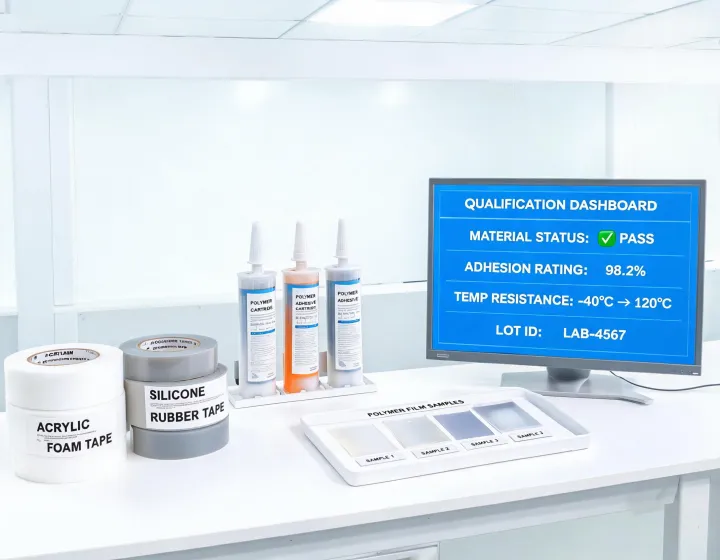
3m material programs
3m supports sourcing teams that need practical product shortlists, application evidence, sample planning, and documentation for elastomer, plastic processing, packaging, and resin-adjacent projects without turning every RFQ into a blind catalog search.
Why buyers use this desk
Translate product keywords into temperature, surface, movement, exposure, and assembly requirements.
Separate die-cut tape, dispensed adhesive, flexible film, molded repair, and foam formats early.
Request SDS, RoHS, REACH, FDA 21 CFR, ISO 10993, or customer-specific forms before approval stalls.
Match trial quantities with substrate type, cure window, storage condition, and production calendar.
Compare waste rate, line speed, rework reduction, and packaging efficiency instead of unit price alone.
Document the assumptions behind every replacement so engineering and purchasing review the same evidence.
Comparison framework
The table helps teams compare adhesive and elastomer decisions using measurable conditions before asking for samples.
| Decision point | Acrylic foam / adhesive path | Rubber / silicone path |
|---|---|---|
| Typical need | Bonding trim, plastic repair, signage, electronics attachment | Electrical insulation, splicing, sealing, cushioning, marine joints |
| Key inputs | Surface energy, dwell time, thickness, peel target | Durometer, compression set, temperature, fluid exposure |
| Risk signal | Low surface energy plastic or contaminated paint | Oil, ozone, UV, steam, or repeated flexing |
| Evidence requested | Adhesion method, substrate list, aging notes | Material data, compatibility notes, installation conditions |
| Trial output | Bond line recommendation and conversion notes | Seal, tape, or rubber component shortlist |
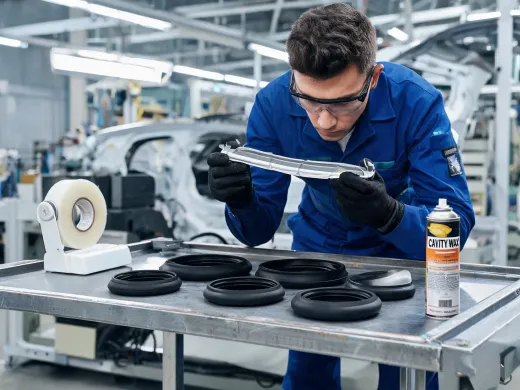
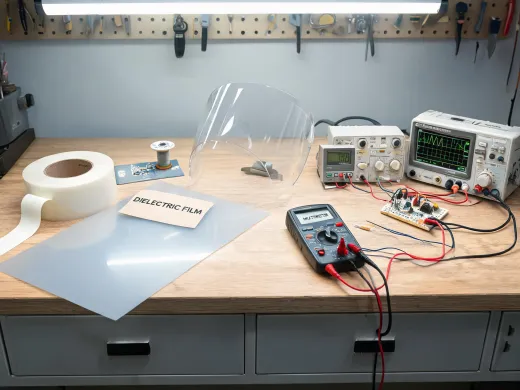
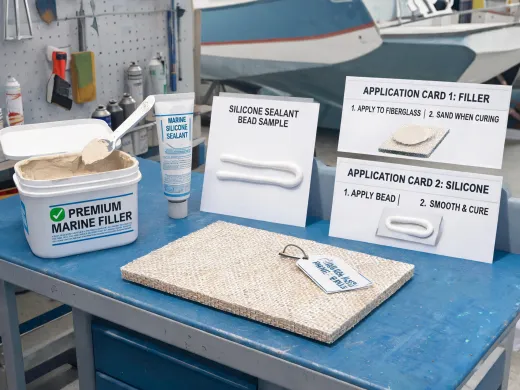
Application lanes
Documentation targets