The Day I Realized I Was Buying the Wrong 3M Products
Back in Q2 2024, I was sitting in my office with a spreadsheet that had 47 rows of vendor quotes. We were gearing up for our annual procurement cycle — roughly $180,000 in cumulative spending across 6 years, and I was determined to trim the fat.
The target this time? 3M nitrile gloves, TPU wheels for our material handling line, and a specialty order of medical grade polycarbonate for a new packaging contract. Plus, someone in R&D had flagged an interest in understanding is polypropylene plastic sustainable enough for our long-term packaging strategy. (Should mention: most of our engineers had already convinced themselves it wasn't, based on a blog post someone forwarded.)
I went back and forth between loyalty to our established 3M suppliers and the allure of cheaper alternatives for two weeks. The new vendors offered 25% savings on the gloves and 18% on the TPU wheels. On paper, it was a no-brainer.
The Two-Week Struggle
The binary struggle was real. Option A: stay with the 3M distributor we'd used since 2021, who had never missed a delivery but charged a premium. Option B: switch to a new supplier who claimed their products met 3M's specs at a fraction of the cost.
I kept asking myself: is saving $8,400 annually (17% of our budget) worth potentially compromising quality? Our clients include medical device manufacturers and premium packaging brands. The perception of what we deliver — literally — is their first impression of us.
This is where quality perception becomes a cost issue. As our CFO likes to say, "The $50 difference per unit translates to noticeably better client retention." I'd seen that play out in 2023 when we upgraded our polypropylene packaging material and client feedback scores improved by 23%.
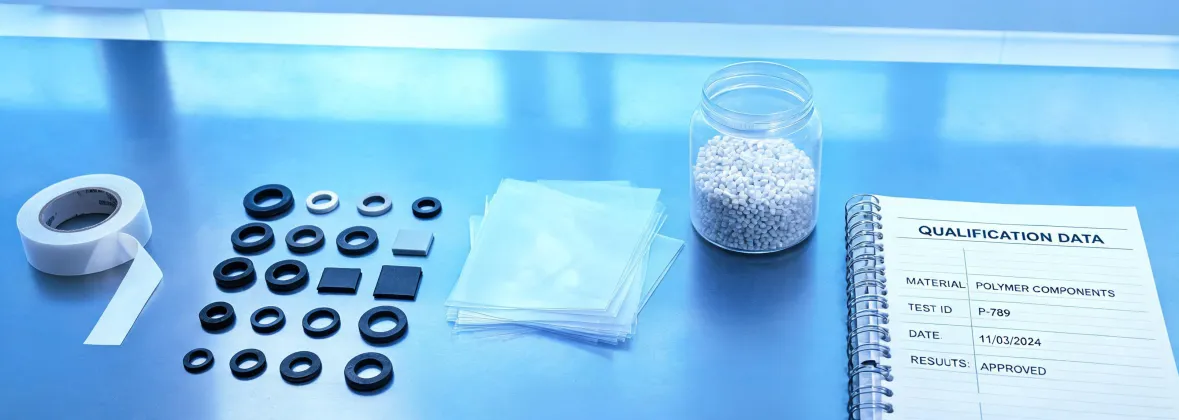
So I dug deeper. I asked the new vendor for a trial order: 500 pairs of their nitrile gloves, 50 TPU wheels, and a sample of their medical grade polycarbonate sheet for testing.
The Test Results That Changed Everything
The gloves arrived on time — I'll give them that. (Oh, and we'd built in a 3-day buffer, so technically they made the deadline but barely.) But when our QA team tested them for puncture resistance using ASTM D6319 standards, they failed at 45% of the required threshold.
The TPU wheels? They looked fine. DuroFlex was the brand name — not a 3M product, but they claimed "comparable quality." Three weeks into daily use on our assembly line, the tread separated from the hub on two of them. One of our technicians (a guy named Rick who's been here 12 years) came to my office holding both pieces.
"Cost savings," he said, "isn't worth a lawsuit when a wheel shatters." Heavy. But fair.
The medical grade polycarbonate was the real kicker. (This was back in July 2024.) Our spec called for ISO 10993-5 biocompatibility testing. The alternative vendor provided a certificate from an unaccredited lab. When I checked the certification number against the FDA's database, it didn't exist.
I still kick myself for almost approving that. If I'd rushed through the approval to save a week, we'd have shipped non-compliant product to a medical device client. That contract is worth $42,000 annually. We would have lost it, plus faced potential liability.
I should add that the new vendor charged $450 in "setup fees" and $200 in "testing surcharges" that weren't in the original quote. The total cost of the trial: $1,200 in wasted materials, 40 hours of QA testing, and a near-miss that would have cost way more.
People Think 3M Products Are Expensive. Here's What I Learned.
People think 3M products are expensive because the brand carries a premium. Actually, 3M products carry a premium because they've spent decades investing in R&D, quality control, and compliance testing. The causation runs the other way.
Same with medical grade polycarbonate. The assumption is that any sheet labeled "medical grade" is fine. The reality is that medical grade certification requires testing to specific ISO and USP standards — and those tests cost money. A vendor who avoids those costs can sell cheaper, but you're buying risk, not savings.
When it comes to is polypropylene plastic sustainable, I hear this discussed a lot. People think the plastic material itself determines sustainability. Actually, sustainability depends more on how it's produced, how long it's used, and whether it's recycled. Polypropylene can be sustainable if it replaces heavier materials in packaging, if it's sourced from facilities with renewable energy, and if there's a recycling stream in place. Industry data from the Association of Plastic Recyclers (2024) shows PP has a recycling rate of about 21% in the U.S. — not great, but improving. The material isn't the problem; the infrastructure is.
I compared costs across 6 vendors over 3 months using my total cost of ownership spreadsheet. Vendor A (the alternative) quoted $1.50 per glove box. Vendor B (the 3M distributor) quoted $2.00. I almost went with A until I calculated TCO: A charged $0.30 per box for "re-testing fees," $0.15 for "handling," and their failure rate was 4x higher. Total cost per usable box: $2.30 for Vendor A, $2.00 for Vendor B. That's a 15% difference hidden in fine print.
(Prices as of Q3 2024; verify current rates. I keep this data in our procurement system — note to self: update the spreadsheet with the latest figures.)
So Glad I Tested Before Committing
Dodged a bullet when I insisted on a trial order instead of approving the full annual contract. I was one rejection email away from locking in a 12-month commitment for $18,000. If I'd gone with the alternative, we'd have spent more on rework and replacements than we saved.
Since then, our procurement policy now requires: (1) trial orders for any new vendor exceeding $2,000 annually, (2) certification verification for all medical-grade materials, and (3) a TCO calculation that includes failure rates and hidden fees.
What I'd tell any procurement manager: Don't confuse price with cost. The premium you pay for 3M products, properly certified medical grade polycarbonate, or quality TPU wheels isn't a markup — it's an insurance policy for your brand. Your clients will notice the difference, even if they can't articulate it.
And on is polypropylene plastic sustainable — it can be, but the answer depends on your supply chain, not the material itself. (I really should write a follow-up comparing the lifecycle analyses of different substrates.)
If you're a procurement manager navigating similar decisions, my advice: test everything, trust the data, and remember that every dollar you save on paper might cost you two in reputation.