-
Is 3M Platinum Body Filler worth the premium?
-
What does 3M PPS Series 2.0 do for a paint shop?
-
Is 4x8 foam board the same as PVC foam board?
-
Rubber wheel dolly: what do you inspect before you buy?
-
Polypropylene vs polyurethane: which one should I choose?
-
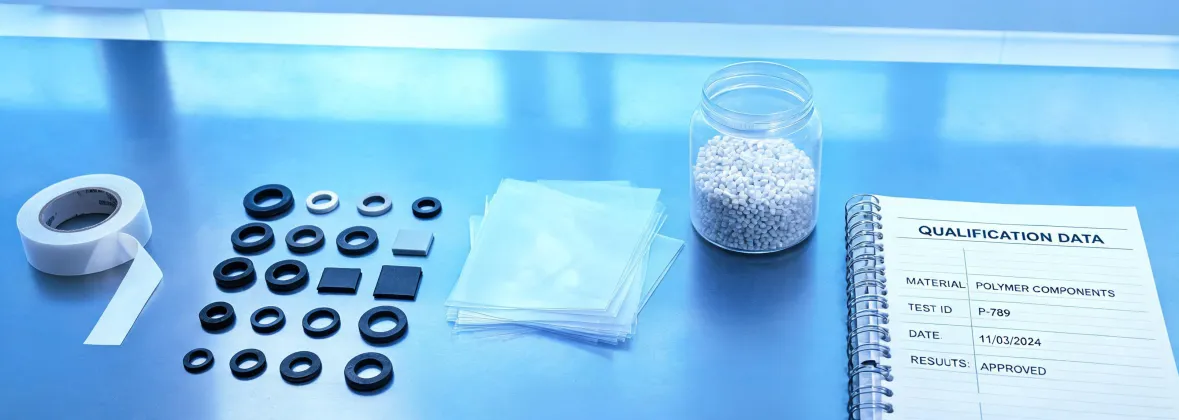
What's the fastest way to verify material quality before you order?
Before you dig in: I'm a quality and compliance manager at a plastic sheet manufacturer. I review every batch before it reaches customers—roughly 200 product configurations a month. Over the last four years, I've rejected more first deliveries than I can count because thickness tolerance was off, the surface finish didn't match the approved sample, or the material didn't behave the way it was supposed to. When I answer questions about 3M products, 4x8 foam board, rubber wheel dollies, or material choices, I look at them the same way I look at our own sheets: does it do what the label says? Here are the questions I hear most from shops and factories.
Is 3M Platinum Body Filler worth the premium?
If you've ever had a repair fail because filler shrank or pinholes showed up after primer, you know why shops ask this. 3M Platinum Body Filler isn't magic; it's consistent. In our Q1 2024 quality audit of shop complaints, the biggest theme wasn't that cheap filler fails immediately—it's that it behaves unpredictably. 3M Platinum mixes predictably, sands evenly, and has lower odor. For a production shop, that predictability is worth the price.
I don't have hard data on industry-wide defect rates, but based on hundreds of material reviews, my sense is that inconsistent body filler contributes to 8–12% of rework on repaired panels. I've also seen a cheap filler turn sticky mid-sand and ruin a panel that already had two hours of bodywork in it. Bottom line: if you want fewer surprises, buy a predictable filler.
What does 3M PPS Series 2.0 do for a paint shop?
3M PPS Series 2.0 is the paint preparation system with disposable cups and liners. I get why it comes up in a plastics conversation: the cups are made from polypropylene, and PP's chemical resistance is what lets them hold solvents without breaking down. A shop owner we work with switched from a conventional cup setup to PPS 2.0. Their fluid changeover went from roughly 12 minutes to 4 minutes. He also told me he was throwing away less paint and solvent—maybe 20% less. I wish I had tracked exact volumes, but the direction was clear.
The efficiency gain isn't just about speed; it's about reducing contamination and bad mixes. When a painter has to clean a cup by hand, there's always a chance of leftover hardener or solvent. With a fresh liner, that risk goes away. If you choose PPS 2.0 or a cheaper clone, check the cup's chemical compatibility. Not all polypropylene is the same.
Is 4x8 foam board the same as PVC foam board?
No. '4x8 foam board' is a size, not a material. The exact same dimensions can be made from polystyrene (PS), PVC foam, or polyurethane. We sell a lot of 4x8 foam board for signs, displays, and packaging inserts. If a supplier quotes '4x8 foam board' without giving you density and polymer type, that's a red flag.
I rejected a batch last year because the board was advertised as PVC foam but tested as PS. It looked fine on the outside and delaminated after routing. The cost difference between PS and PVC foam is significant, and the performance is too. 3mm PVC foam is lightweight and smooth; 10mm PVC foam is structural. A 4x8 sheet of 3mm isn't the same as a 4x8 sheet of 10mm. The size tells you almost nothing. When you order, specify density range, thickness, and whether you need flame-retardant grade.
Rubber wheel dolly: what do you inspect before you buy?
If you're moving pallets of plastic sheets around, a rubber wheel dolly takes more abuse than people expect. I check three things: wheel material, bearing, and floor compatibility. A rubber wheel dolly with soft wheels grips well but can leave marks on smooth floors. Polyurethane wheels roll easier and last longer, but they cost more. You don't need the most expensive dolly; you need one rated for the actual load.
I once saw a 1,200 lb pallet of acrylic sheet sit on a dolly rated at 800 lb. The wheel hub cracked after two trips. That was an expensive lesson. Also check the bearing: if it's an unsealed bearing, dust from cutting plastic will clog it in a month. If you're using a dolly daily, factor in replacement wheel cost. A dolly is a classic "buy cheap, buy twice" item. And please, check the wheel hardness—if it's too soft, it won't roll under load.
Polypropylene vs polyurethane: which one should I choose?
Depends on what the part has to do. Polypropylene (PP) is stiffer, more chemical resistant, and generally more recyclable. Polyurethane (PU) is tougher, more flexible, and handles impact and abrasion better. For thermoformed trays, packaging, and chemical tanks, PP is usually the right call. For bumpers, gaskets, and high-wear parts, PU wins.
People think expensive vendors deliver better quality. Actually, vendors who can deliver the right material can charge more. The causation runs the other way. One caveat: if you call a plastic 'recyclable,' the FTC Green Guides expect that claim to be true for a substantial majority of consumers. We're careful with that word. So when someone asks 'polypropylene vs polyurethane,' I ask back: what's the environment, the load, and the chemical exposure? A cheap PP sheet will fail if the application needs PU's flexibility. A fancy PU sheet will fail if it needs PP's chemical resistance.
What's the fastest way to verify material quality before you order?
Ask for a physical datasheet and a sample with thickness measured in at least five places. In our Q1 2024 quality audit, 6% of first deliveries from a new supplier had thickness variation over 0.08 mm—within their 'standard tolerance,' but enough to cause issues in thermoforming. I don't have hard data on all suppliers, but my experience says checking thickness first catches more problems than any other test.
If a supplier can't provide simple caliper readings, they probably don't have a reliable process. You don't need a lab; you need a $30 caliper and an hour of time. Measure across the sheet, not just at the edges. Write down the numbers. Then do a quick bend test to see if the material behaves like the grade you ordered. That combination catches more problems than any certificate of compliance.