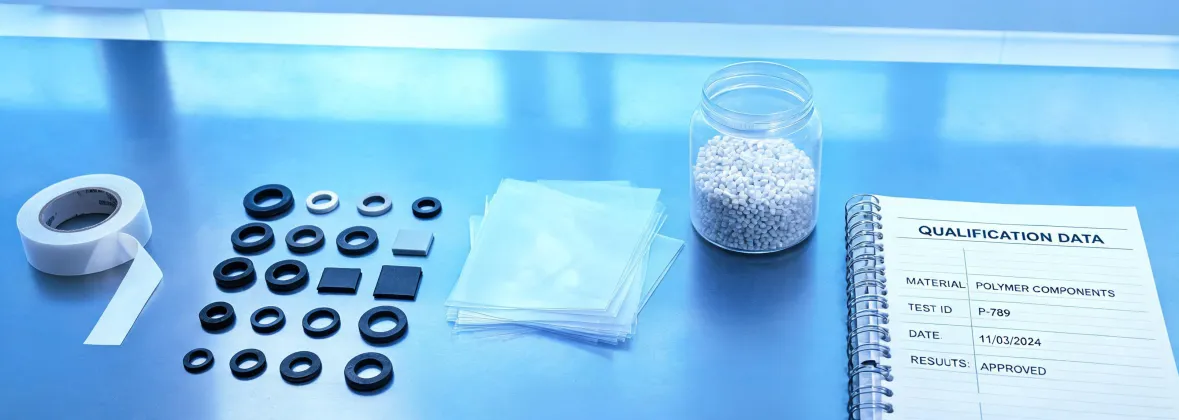
If you work in a shop, on a line, or in the field, you've probably got a drawer full of 3M products and a dozen questions about how to use them better. I'm in the same boat. In my role coordinating materials for industrial and automotive clients, I've had to figure out which adhesive works for which plastic, how to get a clean cut on foam board without a mess, and whether that silicone paste is actually worth it.
Here are the answers I wish someone had given me sooner.
What is 3M PPS 2.0 and do I actually need the upgrade?
If you're spraying paint or primer in an automotive shop, you've probably seen the old PPS (Paint Preparation System) cups. PPS 2.0 is the latest version. The big difference? It's a sealed, disposable cup system that uses a threaded collar instead of the old adapter ring.
The short version: It's faster to set up, less likely to leak, and you don't need to clean cups. If you spray every day, it's a no-brainer. The old system works fine, but you'll spend an extra 5-10 minutes per job on cleanup. Over a week, that adds up.
Honestly, I was on the fence about switching because the old cups still work. But after a spill in March 2024 that cost us a re-spray on a hood—that was a $200 mistake—I made the switch. The 2.0 system costs more per cup, but the time saved and the reduced waste (no solvent for cleaning) made it worth it for us.
What is 3M silicone paste actually used for?
3M silicone paste—often called 'silicone lubricant' or 'dielectric grease'—is a heavy-duty, waterproof grease. It's not a penetrating oil like WD-40. It's a stay-put lubricant.
Common uses I've seen:
- Rubber seals and gaskets: Prevents drying and cracking. Great for door seals on service vehicles or industrial equipment.
- Electrical connections: Seals out moisture. If you've ever had a trailer light connector corrode, you know why this matters.
- Plastic-on-plastic parts: Reduces squeaking and sticking. Window tracks, drawer slides, that kind of thing.
One thing people get wrong: it's not for lubricating hinges or bearings under high load. That needs a lithium or moly grease. The silicone paste is for low-stress, high-moisture environments. If you put it on a wheel bearing, it'll just squeeze out.
Can I use 3M silicone paste on polyurethane midsole?
This one comes up a lot in shoe repair and custom foam work. The short answer: No, not ideally.
Polyurethane (PU) midsole foam is porous. Silicone paste is thick and doesn't absorb well. It'll sit on the surface and might cause the adhesive to fail if you're trying to bond something to it later. If you're just trying to soften a creaking sound, it might work temporarily, but it's not a structural solution.
For PU foam, you're better off using a polyurethane-compatible lubricant or a spray adhesive designed for foam. 3M's Super 77 spray adhesive is a better bet for bonding PU foam to other materials. For lubrication, a dry PTFE spray is usually the better choice—it doesn't leave a greasy residue that can break down the foam over time.
I learned this the hard way. A client in early 2024 wanted us to fix a squeak in a foam seat assembly. We used silicone paste. It fixed the squeak for a week, then the foam started to degrade. We ended up having to replace the whole insert.
What are some practical resin ideas for repair work?
When people say 'resin ideas,' they often mean 'what kind of resin should I use for this specific repair?' 3M makes a ton, but here's a breakdown by the job:
- Polyurethane resin: Flexible, impact-resistant. Great for automotive body repairs and filling gaps in plastic bumpers. 3M's Polyurethane Repair Resin is my go-to for this.
- Epoxy resin: Rigid, high-strength bonding. Ideal for structural repairs on metal or rigid plastics (like repairing a cracked tool handle or a mounting bracket).
- Acrylic resin: Fast-curing. Good for when you need a quick fix—like bonding a plastic emblem back onto a car bumper. 3M's Acrylic Adhesive is a classic for this.
One tip I picked up: temperature matters. Epoxy cures slower in cold weather. Acrylic can set too fast in heat. Check the data sheet. I've had a repair fail because I was working in a 50-degree shop and the epoxy just didn't cure properly.
How do you cut foam board curves without making a mess?
Cutting curves in foam board (like 3M's own line of foam boards or insulation panels) is a specific skill. A straight utility knife will give you jagged edges.
Here's what actually works:
- Use a hot knife or hot wire cutter. This melts through the foam cleanly. It creates a smooth edge with virtually no dust or crumbling. If you're doing a lot of curved cuts, this is the only tool that makes sense. A foam cutter from a hobby shop works for small boards; a heated utility knife works for thicker panels.
- A very sharp utility knife with a new blade. If you don't have heat tools, this is your best bet. The key is multiple shallow passes. Don't try to cut through in one go. Score the line, then go deeper on the second and third pass. It's slower, but it works.
- Use a template. Draw your curve on cardboard first, cut that, then trace it onto the foam. This gives you a guide to follow and reduces the chance of a bad cut.
- Low surface energy plastics (PE, PP, PTFE, nylon): These need a special adhesive. 3M's DP8005 or DP8010 are acrylic adhesives designed for these 'hard-to-bond' plastics. You also usually need a primer (like 3M Primer 94) to get a good bond. No primer, no bond.
- Medium-energy plastics (ABS, PVC, polycarbonate, acrylic): A general-purpose adhesive like 3M Scotch-Weld DP420 or DP100 works well. They bond strongly without a primer.
- Rubber and TPE: Use a flexible adhesive, typically a polyurethane or a silicone-based one. 3M's Super 77 spray is good for low-stress bonds; for structural bonds, use a two-part urethane like DP6310.
The most frustrating part of this: everyone assumes you just need a sharp blade. The reality is the foam structure tears under pressure from a dull or slow cut. A hot knife changes the game completely.
Is 3M VHB tape really as strong as they say?
Yes, but with conditions. 3M VHB (Very High Bond) tape is an acrylic foam tape that can replace rivets, screws, and welds in many applications. It's legitimately strong. I've seen it hold automotive trim panels on at 70 mph.
The catch: Surface preparation is everything. The bond strength depends on a clean, dry, and properly primed surface. If you just slap it on a dusty bumper, it will fail. You need to clean with isopropyl alcohol (70-90%), let it dry, apply the tape, and then apply pressure (a roller works best).
In 2023, we had a client who tried to use VHB tape on a plastic panel without cleaning it first. The tape held for about two days, then the panel fell off. We re-did it with proper prep, and it's still holding two years later. The tape is great, but it's not magic.
What's the deal with 3M's 'amber' and 'white' sealants?
3M makes two common automotive sealants: one amber (Window-Weld) and one white (Super Fast Urethane). They're both urethane-based, but they're for different jobs.
Amber (Window-Weld): For bonding glass. It's non-sagging and dries clear-ish. It's designed for windshield and window installations. It's not paintable.
White (Super Fast Urethane): For general bonding and sealing. It dries white and is paintable. It's for things like drip rails, trim, and seams.
People ask me 'can I use the white one for glass?' Technically, yes, it will bond glass to metal. But the amber one is designed to be more flexible and to not outgas into the cabin. I stick with the recommended product for each job.
I'm not 100% sure on the chemistry, but from what I've seen, using the wrong one can lead to moisture ingress or bonding failure over time. Better to just buy the right tube.
How do I know which 3M adhesive to use for a specific plastic?
This is the million-dollar question. 3M makes adhesives for polypropylene, polyethylene, nylon, acrylic, polycarbonate, ABS, PVC, and more. There's no single 'works on everything' adhesive.
My rough guide:
The best advice I can give: always test on a scrap piece. I've had to learn this the hard way. A bond looked perfect for 24 hours, then failed under a little stress. Different pigments in plastic can affect adhesion. Test first, bond second.